
Checking for a Savannah Warrant
Savannah posts no single city warrant roster. Work from the paper you hold. A traffic ticket usually belongs to Savannah Recorder's Court. A city police report instead points you to the Savannah Police records process. Felony and misdemeanor cases can sit in Magistrate, State, or Superior Court. The office that issued or filed the case can best confirm current status in Savannah.
- Read the issuing court, case number, and appearance date on the ticket or notice.
- Contact Recorder's Court for traffic and citation matters.
- Use Savannah open records for an existing police record and select Savannah Police.
- Ask the likely Chatham court clerk for a warrant document, FTA entry, return, recall, or disposition.
- For execution status, verify the current CCSO Street Operations number, then speak with a Georgia lawyer before appearing if arrest may be possible.
Georgia offers no public statewide warrant portal. GCIC is a closed criminal-justice network, and a blank payment or booking screen in Savannah is no substitute for the clerk's word.
Savannah Warrant Court Map
Savannah's court map explains much of the record split. Recorder's Court sits in Room 101 at 133 Montgomery Street and runs the countywide traffic and citation lane. Magistrate Court sits in the same Coleman Courthouse. It handles warrant applications and preliminary hearings. State and Superior court clerks work from the Gadsden Courthouse at 400 West Oglethorpe Avenue. The layout matters. A visitor at the wrong counter may read a routing problem as a missing record in Savannah.
Savannah Recorder's Court
133 Montgomery Street, Room 101
912-652-7425
Office hours are weekdays 8 a.m. to 5 p.m.; cashier hours are 8:15 a.m. to 4:30 p.m.
Savannah Police records
Use the city open-records portal and select Savannah Police. Ask for a defined existing record, not a newly made warrant report.
Each Savannah court has its own lane. State Court keeps misdemeanor and traffic criminal files, Superior Court holds felony filings, and Magistrate is the main local application point, so the division of labor matters more than which building is nearest.
Savannah Police and Municipal Court
Savannah styles its local court as Recorder's Court rather than Municipal Court. It handles city and county traffic citations, ordinance matters, and failure-to-appear fallout. Savannah Police investigates and makes arrests, but its records staff does not run the docket. For a ticket, an appearance question, or payment eligibility, Recorder's Court is the office to call. Police records in Savannah can still process an incident or agency report, subject to redaction and exemptions. Not every citation can be paid online, the city says. No phone payment is accepted. Serious traffic categories may require an appearance, so a rejected payment neither proves a Savannah warrant exists nor rules one out. Call the clerk at 912-652-7425. The official Recorder's Court source sets out how the Savannah court handles citations and payments.
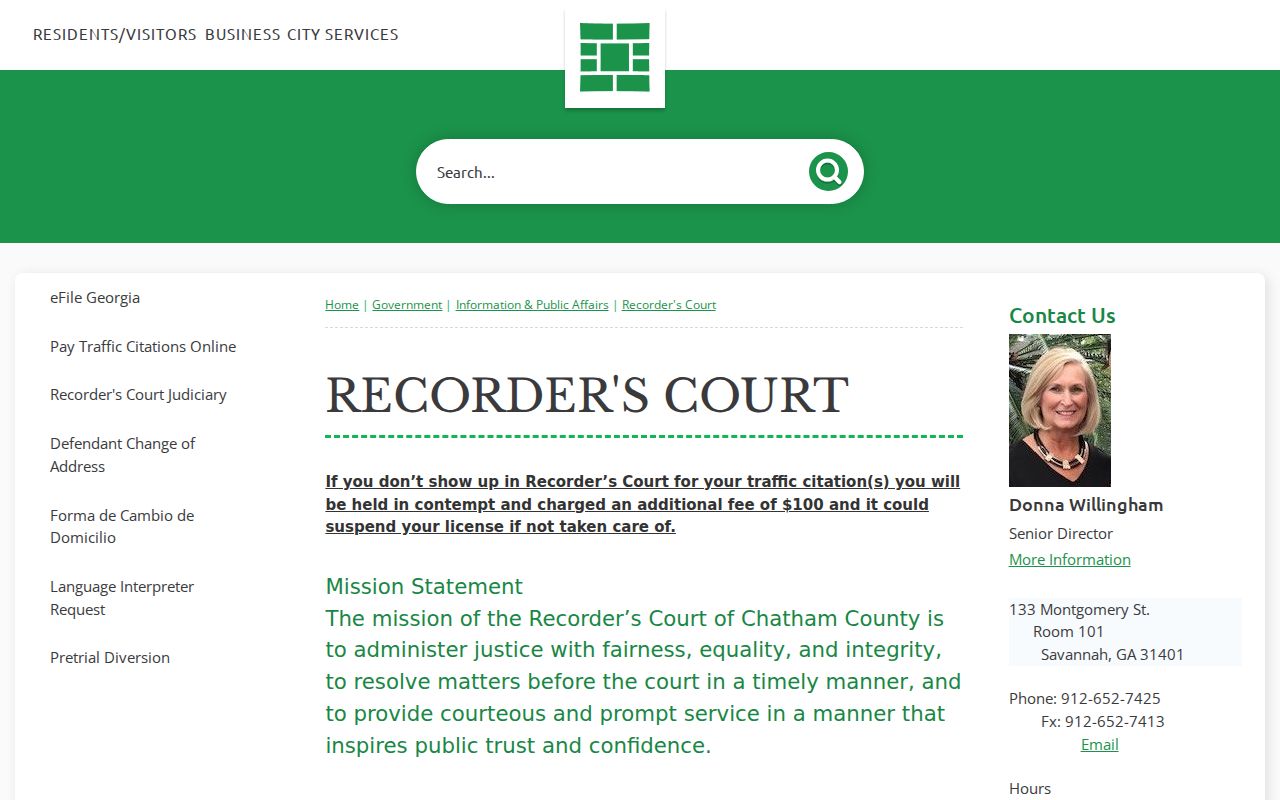
That Recorder's Court page covers citation procedure for Savannah, not a countywide warrant list of names.
Savannah Warrant FTA Consequences
FTA stands for failure to appear. It means a required court date went unmet. Savannah's citation FAQ warns that a missed Recorder's Court date can bring contempt, a $100 added fee, and Georgia DDS consequences. The trigger is the citation and the court's notice. Those penalties attach to the process itself. A DDS outcome still says nothing about whether a warrant is executable.
Do not pay blindly. Some charges require an appearance. Ask whether the matter involves payment, a mandatory setting, FTA, a warrant, or a DDS release.
The Savannah citation FAQ sets out the local rules.
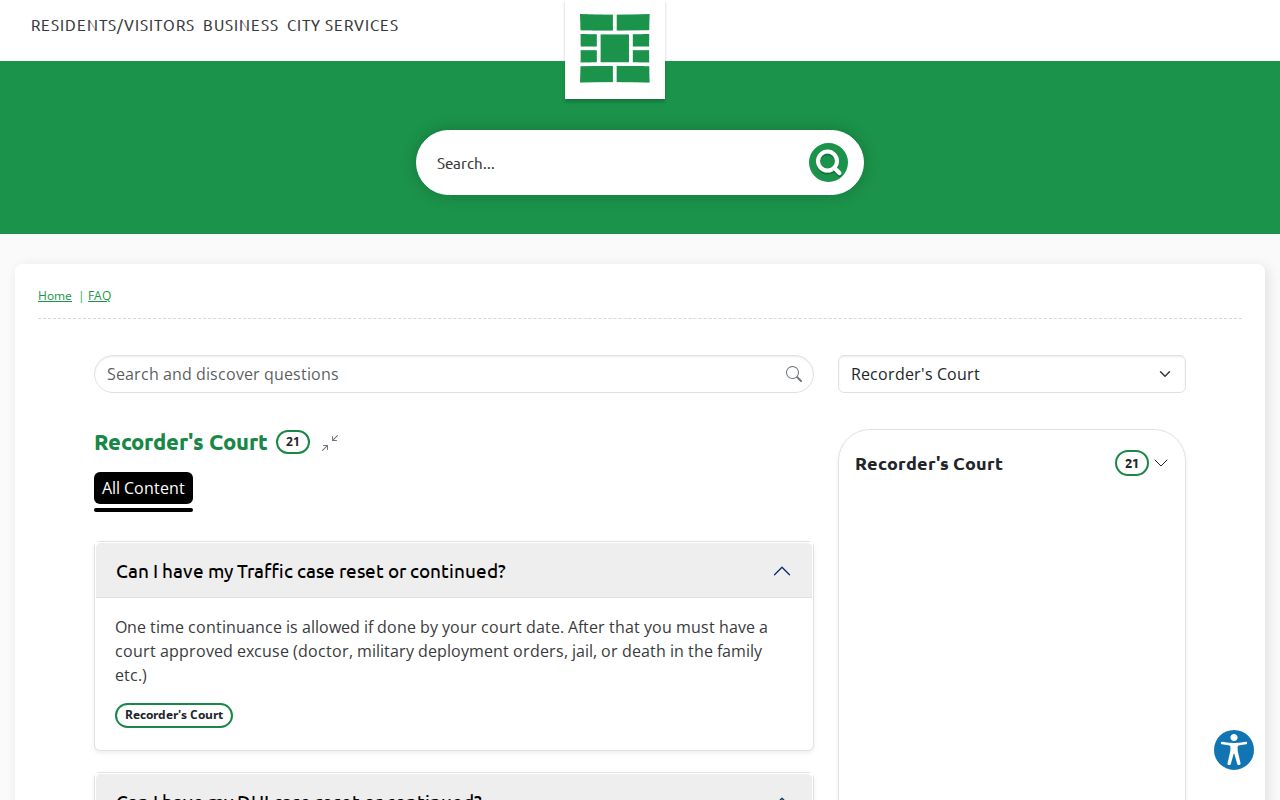
Its value lies in the Savannah court process it documents, not in any public roster of names.
Savannah Warrant Types
Read each Savannah warrant label with its source. Traffic and ordinance matters grow out of Recorder's Court. Probable-cause arrest warrants in Savannah often begin before a judicial officer, with Magistrate Court the most visible local application point. A bench warrant is court process tied to nonappearance. Search warrants cover places or evidence and may stay restricted during an investigation.
| Type | Local path | Confirm with |
|---|---|---|
| Traffic or FTA | Missed required setting | Recorder's Court |
| Ordinance process | Unresolved city matter | Recorder's Court |
| Bench warrant | Court response to nonappearance | Issuing clerk |
| Arrest warrant | Probable-cause process | Magistrate or trial court |
| Search warrant | Authority to search | Custodian, subject to limits |
The terms have distinct meanings in Savannah. “Issued” means authorized, “served” means law enforcement acted, and “recalled” or “quashed” means the court withdrew it; only the responsible source can date each step.
Savannah Warrant Scam Warning
Watch for this one. Savannah posted a Recorder's Court scam alert. The May 8, 2026 notice says the court does not text people demanding payment or send them to unofficial payment sites. CCSO adds its own warning. Warrants cannot be cleared over the phone and must go through court. A caller or text hitting Savannah residents with demands for fast payment, gift cards, or secrecy is a stop sign. Find the official court page yourself. Call a published number, never one the message supplies. Hand over no card number or code. Ask the clerk to name the Savannah case and its lawful next step. A real Savannah warrant can be urgent, but urgency never validates an unofficial link.
Note: Court staff can state procedure and status, while a lawyer can advise how those facts bear on a personal case.
Inside a Savannah Warrant Record
A Savannah record documents one event, not today's full status. Read the court, case number, date, and event together. A clerk file can still hold an old warrant after later action, and a fresh booking can reflect a citation, a direct arrest, a warrant, or other process. Keep the record type and its Savannah source attached to any notes.
| Warrant or case number | A source key, such as CR-CASE-NUMBER; no format spans every Savannah court. |
|---|---|
| Subject name | The name in that record, matched with lawful identifiers. |
| Charge or event | Alleged offense, FTA, issuance, service, recall, or return. |
| Issuing court | The office best able to confirm its process. |
| Bond or fine | A source amount, not proof online payment is allowed. |
| Status and date | The exact label and timestamp needing confirmation. |
Do not read “record located” as “active warrant” in Savannah unless the issuing authority says so today.
Savannah Warrant Records Requests
Savannah lets you file an open-records request with Savannah Police for warrant-related documents. Name the agency, the date range, and the incident or case number if you have one. Ask for a specific paper that already exists. A police report tied to a warrant, a service return, or a named incident record all work as requests. Georgia's Open Records Act permits redaction and exemptions, and it cannot make the city build a report it never kept. The city records source explains the filing steps and what Savannah requires from a requester.
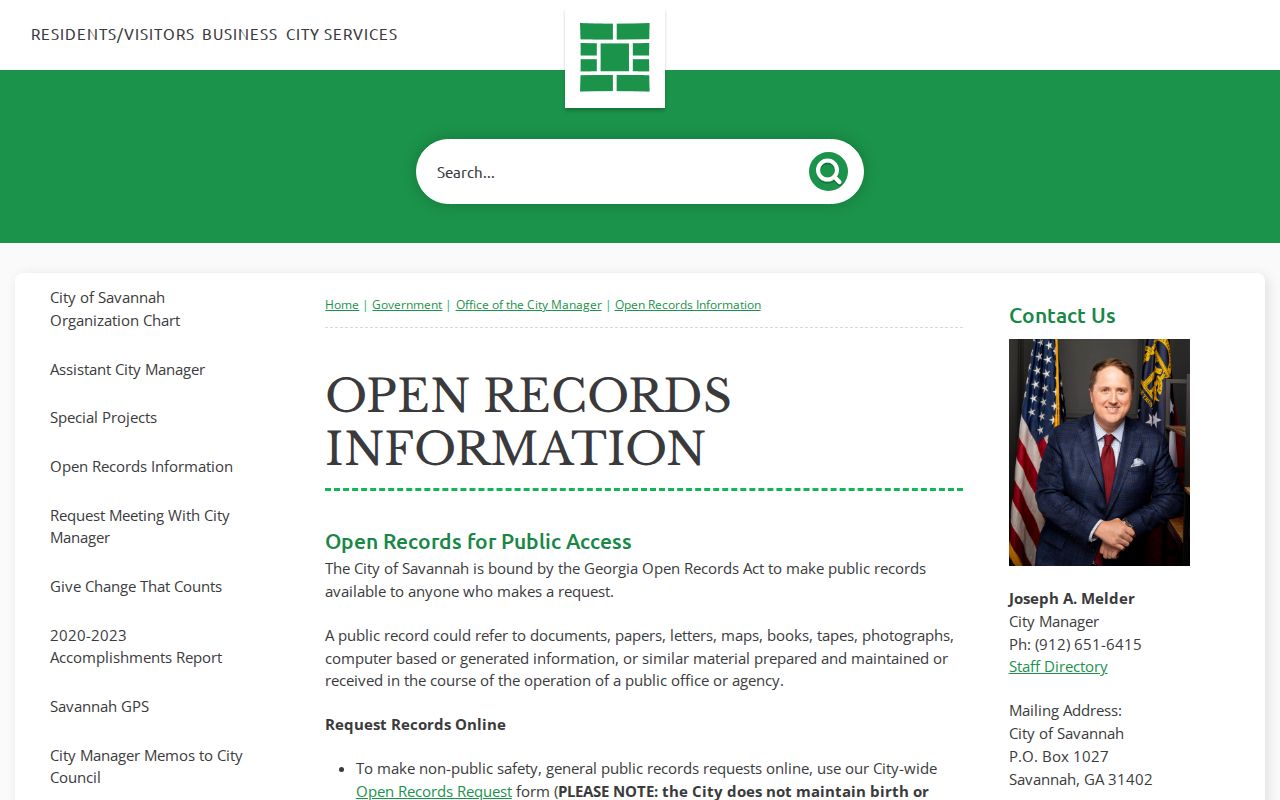
Use this route for police paperwork in Savannah. A court's warrant entry sits with the clerk, and questions about serving a warrant now go to law enforcement, not records staff.
How Savannah Warrants Fit County Systems
Savannah does not feed its warrant process into one public Chatham database. Traffic matters stay in Recorder's Court. A probable-cause application may start in Magistrate, misdemeanors can move through State Court, and felonies can proceed in Superior. CCSO then executes whatever process those courts deliver. Georgia's GCIC serves justice agencies only, with no public statewide warrant search, so the Chatham County warrant records overview is the better map of these routes.
Warrant flow: Savannah court or police › issuing Chatham court › CCSO or Savannah Police service › court return and disposition
The jail booking page is not the missing link for Savannah warrants. It shows recent custody only, carries a no-warranty disclaimer, and searches no agency's active process.
Savannah Warrant Books Are Historical
Savannah's police archive finding aid lists Warrant Books covering 1931 through 1944 and 1959 through 1964. The volumes may name defendants, offenses, courts, and dates received. That is real local history. A catalog entry that says "warrant" cannot be read as current process. An archival record answers a historical question only, and it says nothing about whether a warrant exists today. For present status, ask Recorder's Court, the right Chatham clerk, or CCSO. Keep the archive date beside anything you cite, and never blend it with a claim about an active warrant.
Savannah Warrant Safety Programs
Savannah Police runs a Top 10 Most Wanted program. Savannah-Chatham Crime Stoppers takes tips on it. Neither is a complete warrant ledger or a court-certified status check. SPD refreshes its list when subjects are caught, and Crime Stoppers keeps tipsters anonymous, though gallery data comes from the submitting agencies rather than any independent check. The Crime Stoppers source shows how to pass along what you know.
Send tips through the official Savannah program. Call 911 for an emergency instead.
Savannah Warrant Records and Public Access
Access in Savannah turns on who holds the record. Georgia's open-records law covers many city and police files, but sealing, active-investigation exemptions, redaction, and juvenile confidentiality can all block release. A court file can be public and still be no live warrant feed. Request an existing document and let the agency apply the law.
Key rules:
Georgia Open Records Act, O.C.G.A. §§50-18-70 through 50-18-76 permits access to many existing public records while preserving exemptions and lawful fees.
O.C.G.A. §17-4-40 describes probable-cause authority for arrest warrants.
Georgia juvenile-record restrictions place juvenile material outside ordinary public access.
A restricted result does not mean no warrant exists. Take your own Savannah question to the issuing court or a lawyer.