
Checking for a Chatham County Warrant
Every Chatham County warrant search begins at the court that issued the paper. The Magistrate Court handles arrest and search warrant applications along with preliminary hearings. Misdemeanor and traffic files live with the State Court Criminal Division. Felony files sit with the Superior Court Clerk. Savannah Recorder's Court and six listed municipal courts each keep their own citation and local case records, so a warrant search has to go where the case was filed. The Chatham County Sheriff's Office publishes no complete public roster of active warrants. Its Street Operations staff execute court-delivered process, but a clerk is the right person for document questions. Georgia's own guidance tells people to contact the local sheriff with a full name, date of birth, and county, and it warns that showing up in person can mean immediate custody. Anyone checking their own status may want a Georgia lawyer's advice first.
- Read the citation, notice, or case paper and identify the issuing court.
- Ask that court's clerk for the case status or a specific warrant-related document.
- For an execution question, use the current CCSO contact directory and verify which Street Operations line applies.
- Check the relevant city court when the case arose under a municipal citation or ordinance.
- Record the source and access date, then confirm any result before deciding how to respond.
Chatham County Has No Single Search
Chatham County has no single search box. Nothing combines the sheriff's records with Magistrate, State, Superior, Recorder's, and every municipal court into one public tool. A blank result in one system proves nothing about what another court holds. Even Georgia Crime Information Center data runs on a criminal-justice network, not a public statewide warrant portal. So the practical question splits in two. A clerk can pull the warrant document itself, plus any return, recall entry, or related order in the file. CCSO handles questions about service or custody. City clerks run their own municipal dockets. The full Chatham County warrant lookup process maps each of these routes in more detail.
Quick answer: Search the issuing court first, then use CCSO for service questions; never treat one blank portal as proof that no warrant exists.
Chatham County Warrant Types
The labels describe different acts. An arrest warrant follows a probable-cause decision by an authorized judicial officer. A bench warrant is court process tied to a missed appearance or some other failure to obey a court requirement. A search warrant authorizes a search on its own terms and may stay restricted while an investigation runs. Local Chatham sources do not use "capias" or "capias pro fine" as standard wording, so those terms should not be imposed on a local record. The document's own language controls.
| Warrant type | How it arises | Likely record holder |
|---|---|---|
| Arrest warrant | Probable cause supported by sworn facts | Magistrate or later trial-court file |
| Bench warrant | Failure to appear or court noncompliance | The judge and clerk for that case |
| Search warrant | Judicial approval for a defined search | Issuing court, subject to access limits |
| Traffic or municipal warrant | Missed local court duty or eligible citation matter | Recorder's Court or issuing city court |
An application is not issuance. Issuance is not service. Those distinctions keep Chatham County warrant records tied to what the official document actually says, and they matter when reading any status label.
Chatham Warrant Terms in Plain Words
Chatham County court pages use a small set of status terms. A label may cover only one point in a case, though. The source and the date matter as much as the word itself.
- Issued
- A judge authorized the warrant. It does not show that the warrant was served.
- Served or executed
- Law enforcement carried out the process and may have filed a return.
- Recalled
- The court withdrew the warrant. The clerk should confirm the current entry.
- Failure to appear
- A missed required setting that can lead to court or DDS consequences.
- Booking
- A custody event, which is not the same as a complete warrant index.
When requesting a Chatham County record, repeat the exact term the court used. Ask for the issue, service, return, recall, or disposition record by name. That beats asking a clerk to build a broad report from scratch.
Inside a Chatham County Warrant Record
Available fields depend on the court and the document. Chatham County forms show a clerk may need a name, date of birth, case number, and a clear description of the record. Public copies can omit sealed, juvenile, personal, or investigative material. No universal local warrant-number pattern is documented, so a sample number should not be invented.
| Case identifier | Connects the warrant paper to the court docket. |
|---|---|
| Issuing court | Shows which clerk can verify the file and current court status. |
| Warrant type | Preserves the court's own label, such as arrest or bench warrant. |
| Issue date | Places the document in time but does not prove it remains active. |
| Service or return | May show execution or a filed return when that record is public. |
| Disposition or recall | May reflect later court action affecting the warrant. |
Bond information may also appear in a record, but amounts change. Verify any figure and its accepted form with the court or the CCSO cashier before paying anything.
Chatham County Bookings Are Different
The CCSO bookings page shows recent custody events in 24-hour or 72-hour windows. Fields can include an arrest number, arresting agency, booking date, charge, and bond. The page carries a no-warranty warning too. It is not a list of every active Chatham County warrant. A booking can follow a warrant, a direct arrest, a citation matter, or other process. A warrant can also exist without ever showing up in a short booking window. No booking result should be read as "no warrant." The official CCSO home page shows the source used for local sheriff routing.
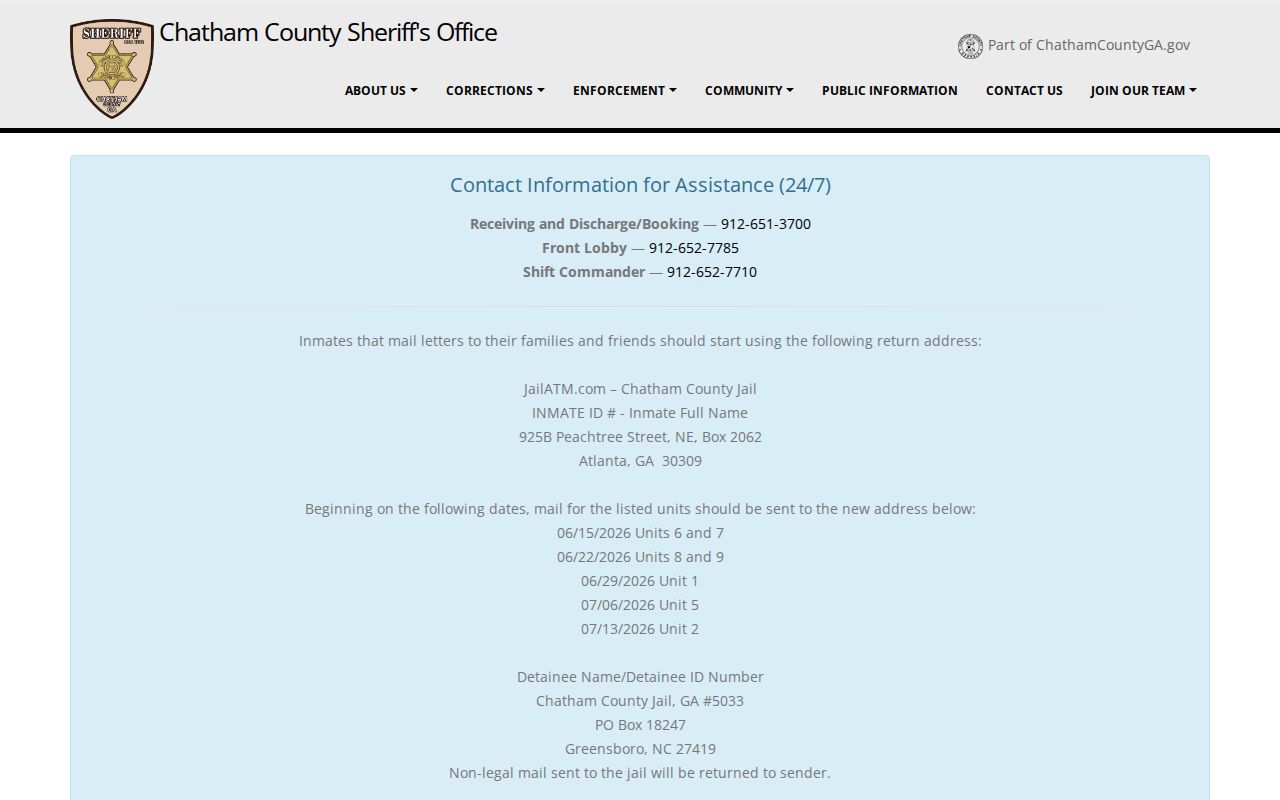
The sheriff's own pages back the contact route for Chatham County. They promise no complete public warrant search.
Issuing and Serving Warrants in Chatham County
Judges issue warrants. Clerks keep the case record. The Chatham County Sheriff's Office executes warrants and other court-delivered process through Street Operations, while a city police department may act in a city case and Recorder's Court or a municipal clerk may control the related record. These roles are separate, and treating them as one "warrant office" leads people to the wrong desk. The current CCSO directory lists Criminal Street Operations at 912-652-7624 and 912-652-7620. A 2026 Georgia Sheriffs' Association directory lists 912-652-7630 as a warrant number. Since those official sources differ, use the live directory and ask which line now handles the question.
Chatham County Sheriff's Office
1050 Carl Griffin Drive
Savannah, GA 31405
912-652-7624 or 912-652-7620
The official enforcement overview gives more context for this division.
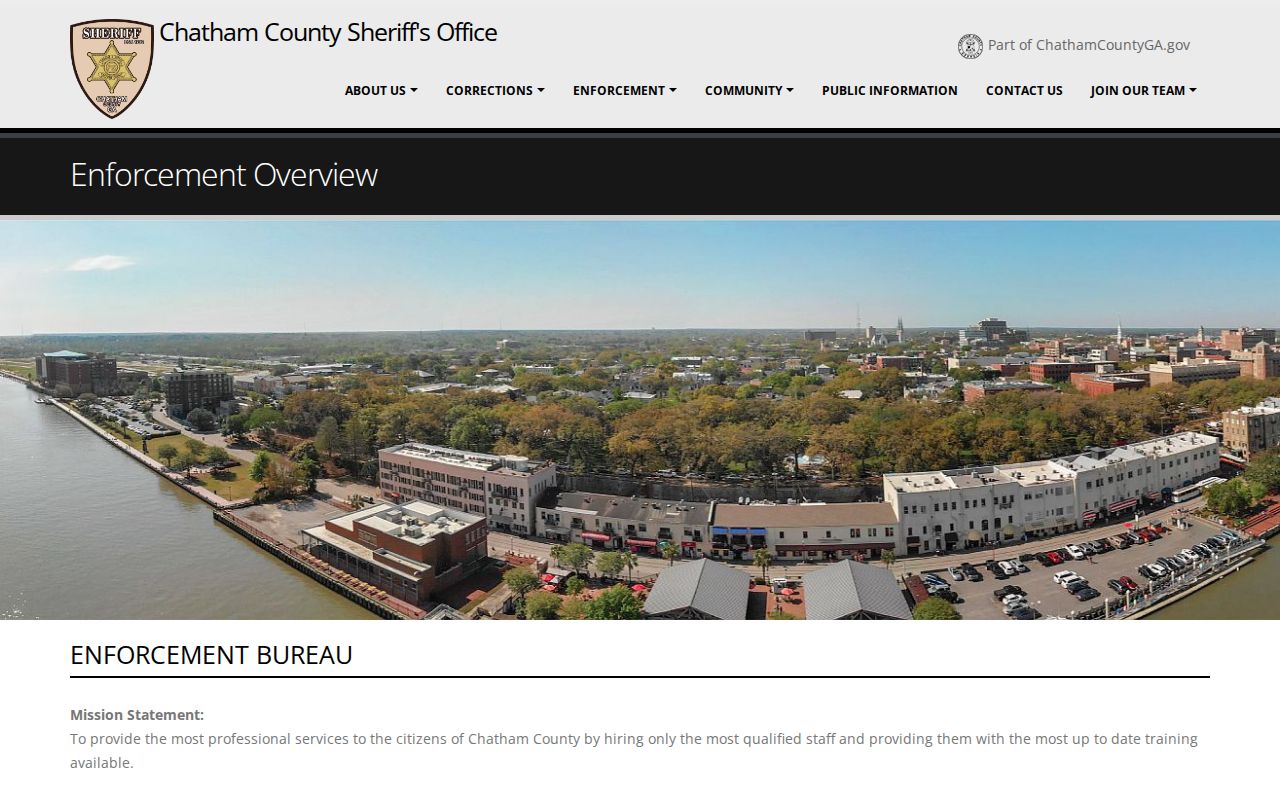
Warrant execution is one part of the sheriff's broader service workload in Chatham County. The rest of the docket involves other court papers entirely.
Chatham County Warrant Workload
The CCSO Enforcement overview says Street Operations handles about 7,000 warrants and 60,000 civil processes a year. Court Services runs big numbers too. It processes more than 12,000 people through court and screens about 700,000 visitors. Those are workload figures. They do not mean 7,000 Chatham County warrants are open today.
A yearly count mixes papers that are new, served, returned, or otherwise processed. For a live status question on a Chatham County warrant, only the responsible office and the current court file can answer.
If You Have a Warrant in Chatham County
Hang up on any caller who offers to clear a Chatham County warrant for a fee. The CCSO scam warning is blunt: the office never demands gift cards or takes payment over the phone. Only the court can clear an outstanding warrant. So start with a lawyer and the clerk of the issuing court. From there the paths open up. You may appear before the judge, arrange a voluntary surrender through counsel, post whatever form of bond the court accepts, or move that a bench warrant be recalled. The right path depends on the warrant and the case behind it. CCSO's bonding page lists a $20 non-refundable bonding fee and several accepted payment forms. Even so, that page cannot promise bond in any particular case. Bond is a question for the court, not the bonding counter.
Important: Speak with a Georgia lawyer and the issuing court before appearing when an active warrant may lead to immediate custody.
Chatham County Courthouse Routing
The courthouse in Chatham County actually means two buildings. Several counters too. The Chatham courthouse directory places Magistrate Court and Recorder's Court functions in Coleman Courthouse at 133 Montgomery Street, while State Court and Superior Court clerk offices sit in Gadsden Courthouse at 400 West Oglethorpe Avenue. Ask at the wrong desk and a record can look missing. Room numbers matter. Room 303 is the Magistrate Court Clerk, Suite 127 is the State Court Clerk, and Suite 178 is the Superior Court Clerk's Criminal Division. Court Services keeps the building safe. It runs entry screening, not the clerk's record search.
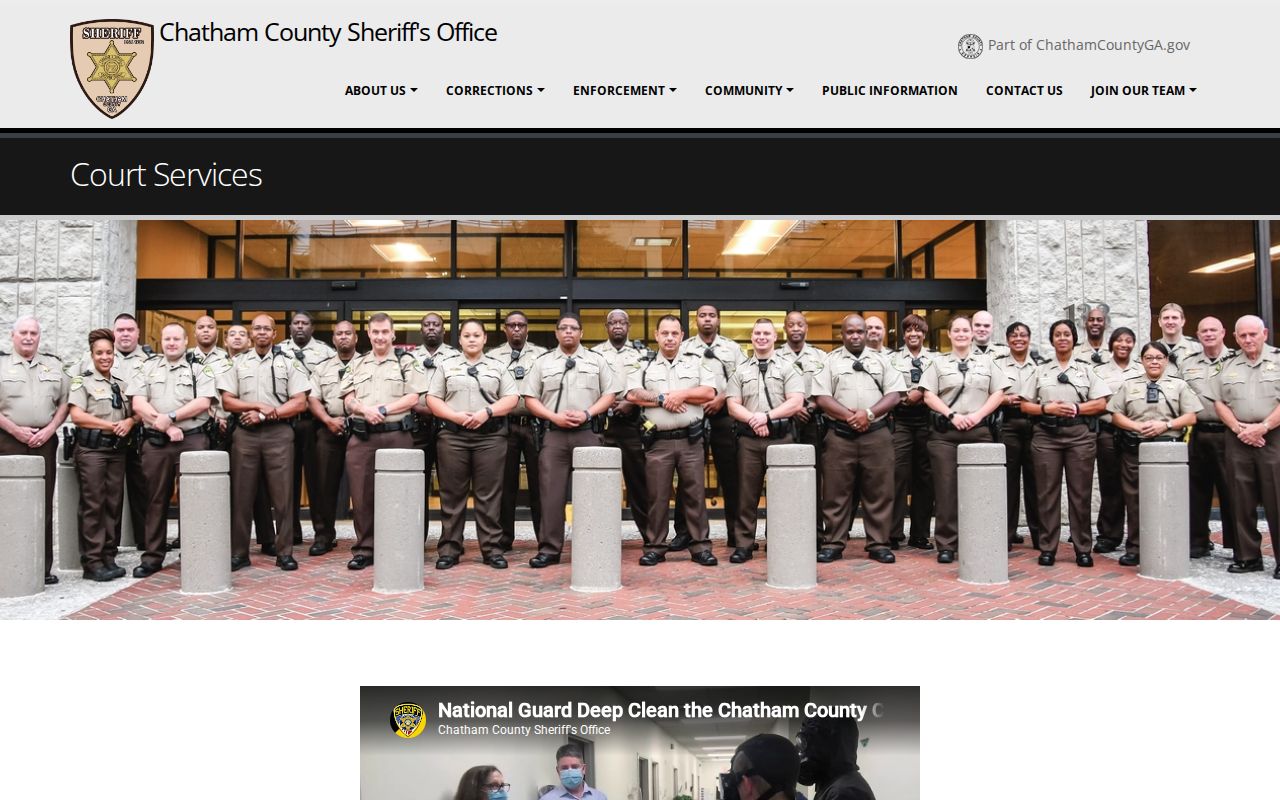
That Chatham County Court Services page separates courthouse security from the clerk counters that keep warrant case papers.
Chatham County Warrant Records and Public Access
The Georgia Open Records Act helps. But it does not erase every limit. Sealed material, juvenile records, personal data, and active-investigation material may be withheld or redacted. A court record and an agency record are not the same thing either. Ask the Chatham County clerk for a named document, and let the office apply the law.
Key rules:
O.C.G.A. §§50-18-70 through 50-18-76 govern Georgia open-record access, fees, redactions, and exemptions.
O.C.G.A. §17-4-40 supplies the probable-cause framework for arrest-warrant issuance.
Georgia juvenile-record guidance explains why juvenile court and law-enforcement files have special access limits.
Getting a copy does not make it current. Note the date you received it, and confirm present status with the Chatham County court or sheriff that issued the record.
Requesting Chatham County Warrant Papers
State Court makes warrant papers easy to order. Its criminal-record form lists "Criminal Warrant(s)" as a document choice. A simple copy costs $1, and certification runs $2.50 for one document plus 50 cents for each added page. Off-site files may take up to five business days. The State Court forms page carries the current form and terms. Magistrate Court prices differ: 25 cents per page and $2.50 certification, with up to five business days for an off-site file. Superior Court accepts requests in person, by mail, fax, or email, and warns that off-site files can take 48 hours. Do not blend these into one countywide fee promise in Chatham County. Each court sets its own terms. A good request names the court, the case number if known, the date range, the warrant document, and any service or return record. Add your delivery choice and say whether you need certification. Ask for existing records only. No clerk will create a fresh conclusion about whether someone is "wanted."
Chatham County Scam Warnings
Two local warnings teach the same lesson. CCSO says it never calls to demand payment, gift cards, or cash to clear a warrant. Savannah warned in May 2026 that Recorder's Court does not send text-payment requests or use unofficial payment sites. Check any court balance on the court's own page or with the clerk. Don't trust the caller's number. Verify it yourself. The CCSO contact page lists each department line for exactly that.
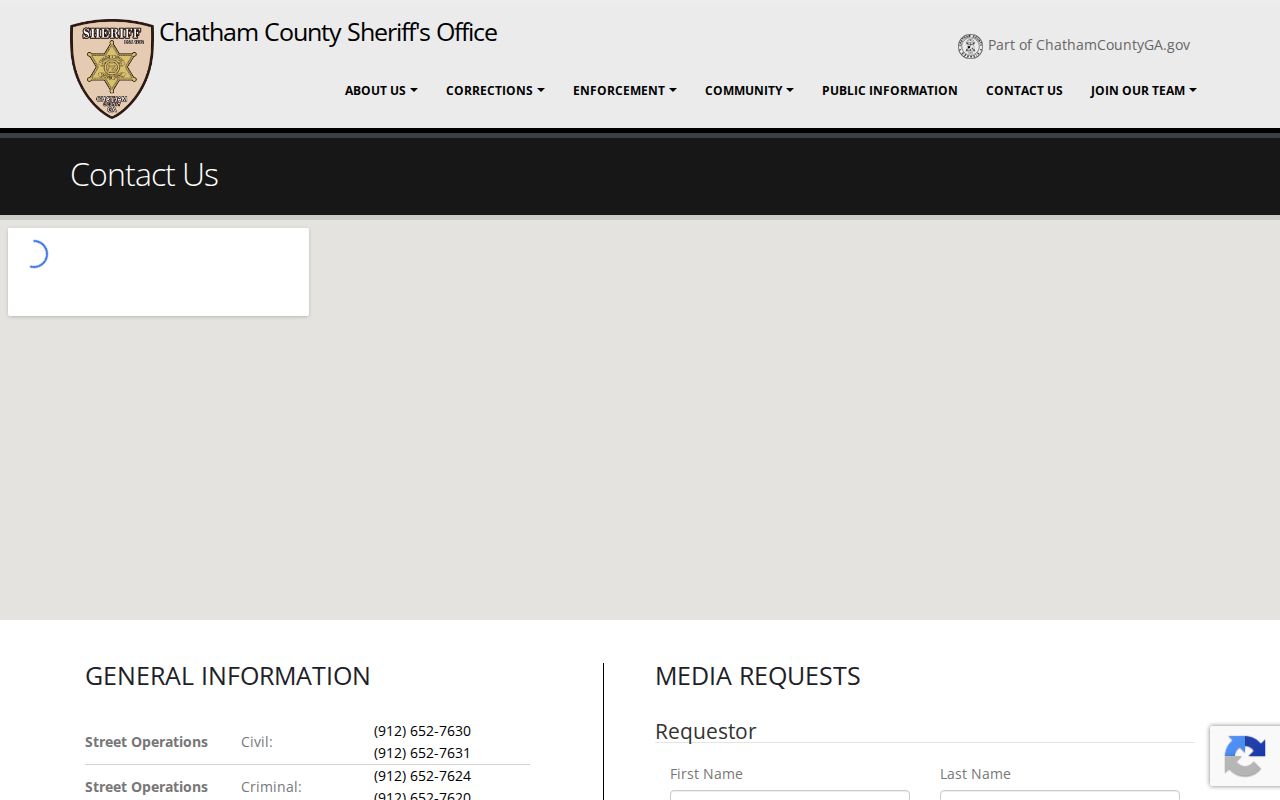
The directory splits criminal operations, jail records, booking, cashier, and lobby contacts, so a Chatham County court question does not land with the wrong unit. Never give personal or payment data to a caller who manufactures urgency. Hang up fast. Verify on your own. Then dial the published court or sheriff number from the official government page.
Chatham County State and Federal Lanes
Georgia's own guidance sends warrant questions to the local sheriff. For county matters, that is the Chatham County Sheriff. GCIC stores criminal-justice information, but only for authorized agencies. It is not a public warrant index. The Georgia DDS failure-to-appear page covers license action after a court notice, and it cannot confirm whether a Chatham County warrant is active. Federal records run on a separate track. Chatham County sits in the Southern District of Georgia, and PACER supplies federal docket access. A federal complaint, summons, warrant, or detention filing never belongs in a county court result. A county warrant may never show up in PACER either. The office that owns the record can explain its own fields, dates, limits, and next step.
Chatham County Warrants by City
Each city in Chatham County runs its own court channels. Savannah Recorder's Court handles a major countywide traffic lane. Pooler splits its court dates, payments, and records links, while Port Wentworth warns that payments can take until the next business day to post. Garden City's citation search carries a processing delay. Tybee Island Municipal Court, though, expressly handles criminal warrants and preliminary hearings.
Savannah
2020 population 147,780. Recorder's Court and city police channels remain separate.
Pooler
2020 population 25,711. Official services split dates, payment, and records requests.
Port Wentworth
2020 population 10,878. Municipal procedure and payment timing need separate checks.
Garden City
2020 population 10,289. The city portal is not a countywide warrant check.
Tybee Island
2020 population 3,114. Municipal Court publishes an explicit warrant function.
Every Chatham County city page keeps police, court, and records channels separate. Whatever the city, the court printed on your notice is still the best place to start.